Why Loading Dock Efficiency Matters in Produce Transportation
How Dock Delays Affect Produce Quality
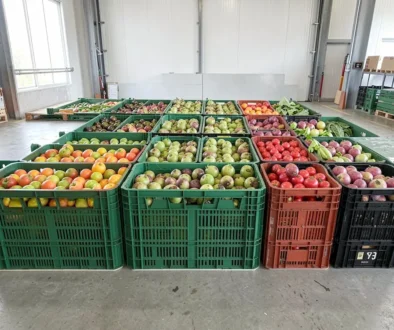
Fresh produce is highly sensitive to temperature changes. When shipments sit at the dock for too long, the product may be exposed to warmer conditions.
Even short temperature increases can accelerate the natural aging process of fruits and vegetables. This reduces shelf life and increases the risk of spoilage.
For retailers and distributors, receiving produce with reduced freshness can lead to financial losses or rejected shipments.
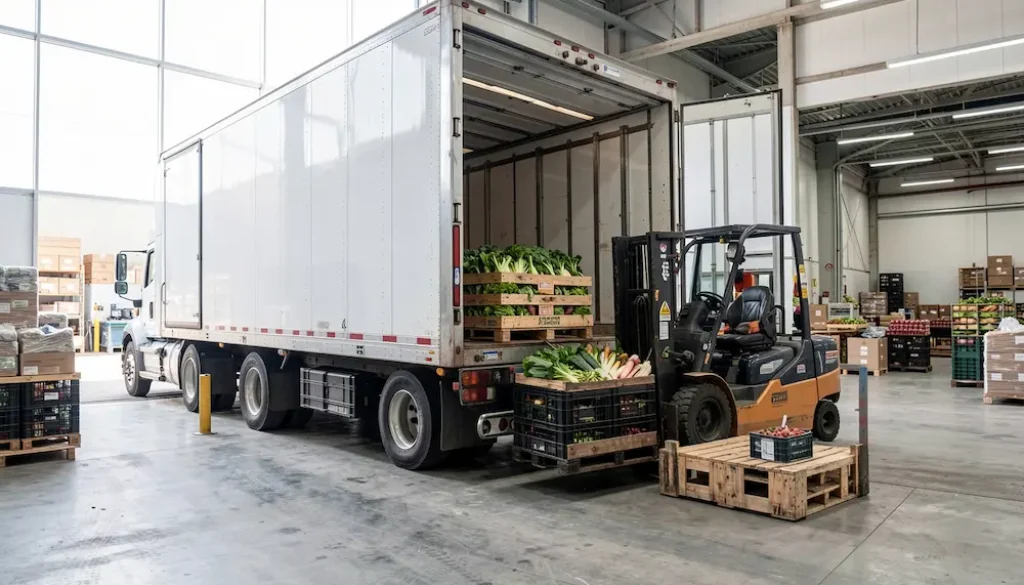
Maintaining an efficient loading process helps protect the quality of the product before transportation begins.
Improving Dock Efficiency
Facilities can improve dock efficiency by focusing on preparation and communication.
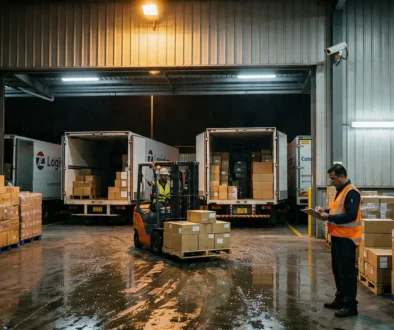
Preparing pallets before the truck arrives can significantly reduce loading time. Proper scheduling also helps prevent congestion and ensures that trucks are loaded in the correct order.
Clear communication between warehouse teams, drivers, and logistics coordinators also plays an important role. When everyone knows the schedule and expectations, shipments move faster and with fewer delays.
These improvements help protect both product quality and transportation schedules.
How Victra Logistics Supports Efficient Shipments
Produce transportation requires careful coordination from the warehouse to the final destination. Efficient loading is an important part of that process.
At Victra Logistics, we work closely with shippers and carriers to coordinate pickup schedules and minimize delays. Reliable planning and communication help ensure shipments move quickly from the loading dock to the road.
By focusing on efficiency and dependable transportation practices, Victra Logistics helps produce shipments move smoothly while protecting product quality throughout the journey.