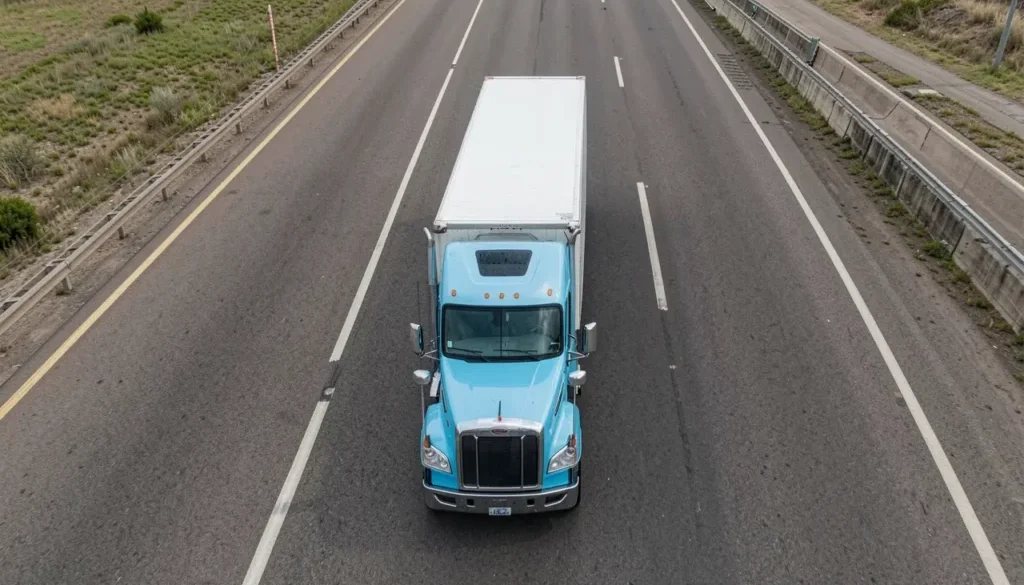
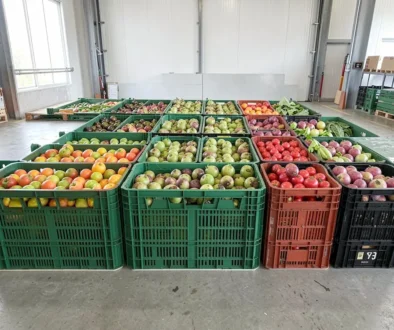
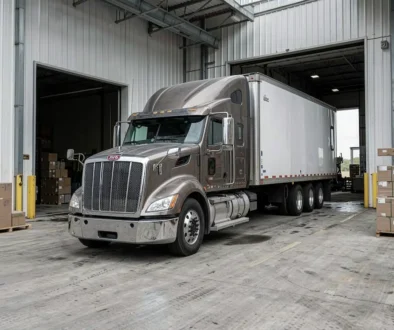
Produce transportation often focuses on getting fresh goods from farms to distribution centers as quickly as possible. While this part of the journey is critical, what happens after delivery is just as important. In many cases, trucks return empty after completing a shipment. This is known as empty miles, and it has become a growing concern in the logistics industry.
In 2026, more companies are paying attention to backhaul planning as a way to improve efficiency, reduce costs, and make better use of available capacity.
What Is Backhaul in Logistics
Backhaul refers to the return trip a truck makes after completing a delivery. Instead of traveling back empty, carriers try to secure another load for the return journey.
For example, a refrigerated truck may deliver fresh produce to a distribution center. Instead of returning without cargo, the carrier looks for another shipment to transport on the way back.
This helps reduce empty miles and improves overall efficiency.
Why Empty Miles Are a Problem
When trucks travel without a load, it creates several challenges.
Fuel is still consumed even though no revenue is being generated. Driver time is also used without adding value to the shipment. Over time, this increases operational costs for carriers.
For produce shippers, this can lead to higher transportation rates. Carriers often need to account for empty return trips when pricing loads.
Reducing empty miles helps create a more efficient and cost effective transportation system.
Challenges in Produce Backhaul
Backhaul planning is not always simple, especially for refrigerated freight.
One of the main challenges is timing. Produce shipments are often time sensitive, and finding a return load that matches the schedule can be difficult.
Another challenge is temperature requirements. Refrigerated trailers must meet specific conditions based on the type of cargo. Not all return loads are suitable for the same equipment.
Cleanliness is also important. After transporting fresh produce, trailers must be properly cleaned before carrying different types of goods.
Because of these factors, backhaul planning in produce logistics requires careful coordination.
How Better Planning Improves Efficiency
When backhaul is planned effectively, it benefits both carriers and shippers.
Carriers can reduce empty miles and make better use of their equipment. This helps improve profitability and keeps trucks moving efficiently.
Shippers benefit from more stable pricing and improved capacity availability. When carriers operate more efficiently, it becomes easier to secure trucks when needed.
Better planning also supports more consistent operations across the supply chain.