In produce transportation, timing is everything. Fresh fruits and vegetables move on tight schedules, and even small delays can affect quality. One of the most important parts of this process is appointment scheduling.
Many warehouses and distribution centers now require strict delivery appointments. Trucks must arrive at a specific time window to be loaded or unloaded. If that timing is missed, it can create a chain of problems that affect the entire shipment.
What Is Appointment Scheduling in Logistics
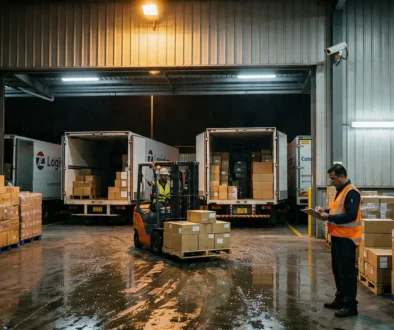
Appointment scheduling is the process of setting a fixed time for pickup or delivery at a facility. Instead of trucks arriving freely, each shipment is assigned a time slot.
This system helps warehouses manage traffic, avoid congestion, and keep operations organized. For produce shipments, it also helps protect the cold chain by reducing unnecessary waiting time.
What Happens When Appointments Are Missed
Missing a scheduled appointment can create serious issues for produce shipments.
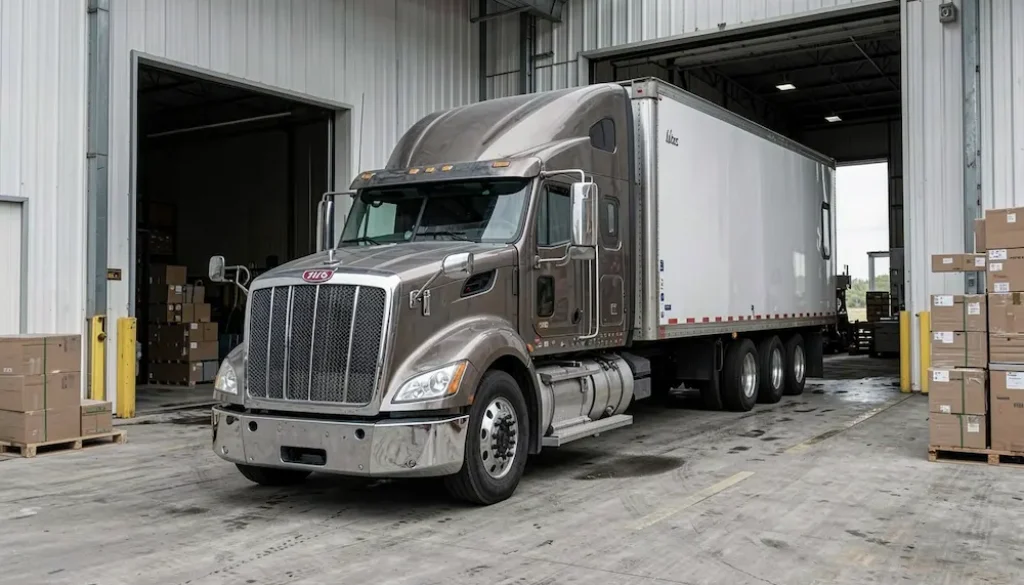
If a truck arrives late, the facility may refuse to unload it immediately. The driver may have to wait for the next available slot, which could take hours or even longer.
During this time, produce remains inside the trailer. Even with refrigeration, delays increase the risk of temperature changes and reduced freshness.
In some cases, missed appointments can lead to rescheduling for the next day. This can significantly impact delivery timelines and product quality.
The Impact on Produce Quality
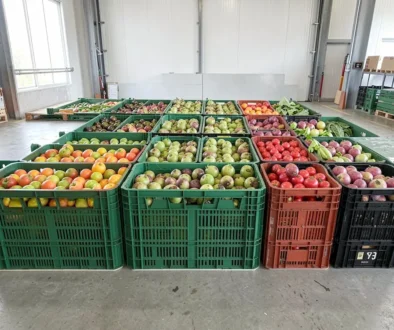
Fresh produce is highly sensitive to time and temperature. When shipments are delayed at warehouses, the overall shelf life of the product is reduced.
Retailers expect produce to arrive fresh and ready for display. If a shipment is delayed due to scheduling issues, it may not meet those expectations.
This can lead to price reductions, rejected loads, or faster spoilage after delivery.
Detention Time and Operational Costs
Missed or poorly managed appointments also lead to increased detention time. Drivers may spend hours waiting at facilities, which affects their schedules and reduces efficiency.
For carriers and shippers, this can increase costs and create planning challenges for future loads.
Efficient scheduling helps reduce waiting time and keeps transportation running smoothly.