Sustainability is no longer just a talking point in logistics. In 2026, it directly affects how produce is shipped, who moves it, and how transportation decisions are made. Shippers are under pressure from buyers, retailers, and even consumers to move fresh produce in ways that reduce waste, fuel use, and emissions.
For produce logistics, sustainability is closely tied to efficiency. The less time a load spends in transit, the less fuel it burns and the lower the risk of spoilage. This is pushing the industry to rethink how produce moves from farm to store.
Why Sustainability Matters More in Produce Shipping
Fresh produce has a short shelf life. Any delay, extra handling, or temperature issue increases waste. Sustainability in produce logistics starts with reducing that waste.
Retailers are now asking more questions about how products are transported. Buyers want to know if routes are optimized, if equipment is efficient, and if transportation partners follow responsible practices.
Shippers who ignore these expectations risk losing business or paying higher costs over time.
Smarter Route Planning Is Reducing Fuel Use
One of the biggest changes in green logistics is smarter route planning. Advanced planning tools help reduce empty miles, avoid congestion, and shorten transit times.
For produce shipments, better routing means fewer delays and more predictable deliveries. That reduces fuel consumption and helps maintain consistent temperatures throughout the trip.
Shorter routes also mean less wear on equipment and fewer emissions per load.
Equipment Efficiency Is Becoming a Priority
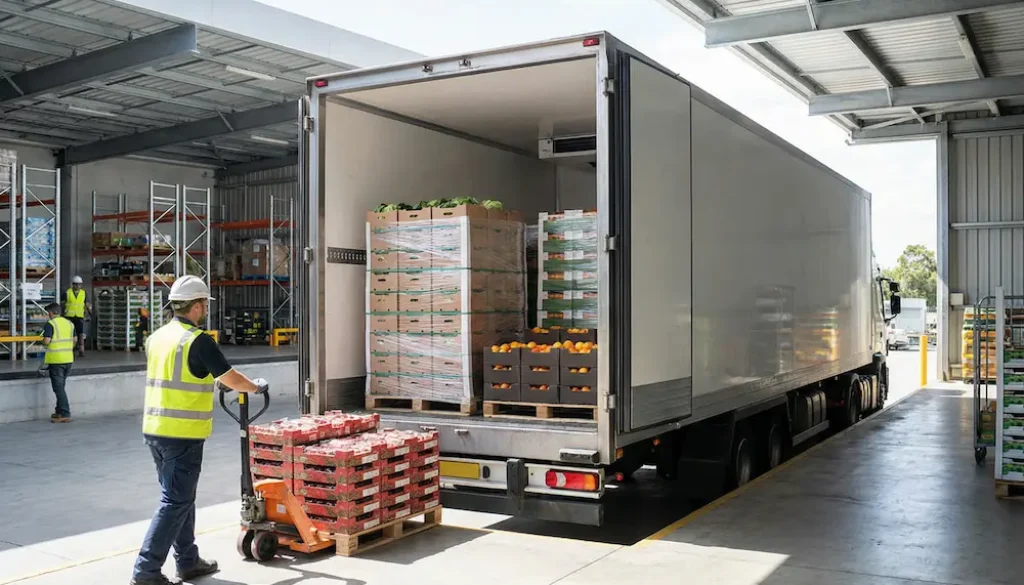
Refrigerated equipment has improved significantly in recent years. Modern reefers are designed to use less fuel while maintaining stable temperatures.
Shippers are paying closer attention to the condition and efficiency of the equipment used to move their produce. Poorly maintained trailers consume more fuel and increase the risk of breakdowns.
Using the right equipment helps protect produce while supporting sustainability goals.
Reducing Food Waste Through Better Planning
Food waste is one of the biggest sustainability challenges in the produce industry. Transportation plays a major role in this problem.
Better scheduling, improved temperature control, and clearer communication reduce the chances of late deliveries and rejected loads. When produce arrives in good condition, less food ends up being discarded.
Reducing waste is not just good for the environment. It also protects margins for shippers and growers.
Sustainability Is Influencing Carrier Selection
In 2026, sustainability is part of how carriers are evaluated. Shippers are looking at reliability, equipment condition, and operational discipline alongside cost.
Carriers that maintain their equipment, follow proper handling procedures, and communicate clearly help reduce unnecessary delays and fuel use.
Choosing the right carrier is now both a quality decision and a sustainability decision.