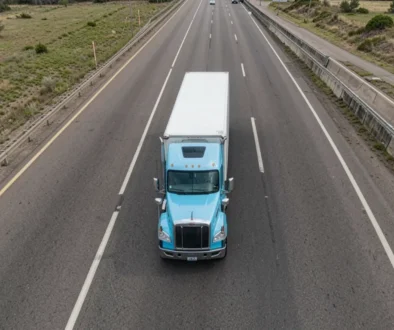
Produce transportation is not the same as it was a few years ago. Moving fresh fruits and vegetables has become more challenging due to rising costs, tighter capacity, and higher expectations from buyers. Because of this, many produce shippers are starting to rethink how their loads move from origin to destination.
One major shift happening in the industry is the rise of multimodal refrigerated transport. Instead of relying on a single method, shippers are now combining different transportation modes while keeping produce at the right temperature throughout the journey.
Why Traditional Produce Transportation Is Under Pressure
For a long time, refrigerated trucking handled most produce shipments. While it is still a critical part of the supply chain, it is no longer always the most efficient option for every route.
Fuel costs continue to rise. Driver availability is inconsistent, especially during peak seasons. Long distance routes are harder to manage without delays. All of this puts pressure on margins and increases the risk of spoilage.
Produce shippers are now looking for ways to move freight more reliably without sacrificing freshness.
What Multimodal Refrigerated Transport Looks Like
Multimodal refrigerated transport means using more than one transportation method for a single produce shipment. A load might start on a refrigerated truck, move onto refrigerated rail for a long stretch, then return to a truck for final delivery.
The goal is simple. Keep the produce cold, reduce unnecessary risk, and improve efficiency across longer distances.
This approach works best when temperature control, scheduling, and communication are handled carefully at every step.
Why More Shippers Are Choosing This Approach
Cost control is one of the biggest reasons multimodal transport is growing. Rail based refrigerated transport often lowers cost per mile for long distance shipments.
Capacity is another factor. During busy produce seasons, truck availability can be limited. Using multiple transportation options gives shippers more flexibility.
Consistency also matters. Rail schedules are often more predictable than long haul trucking routes that face traffic delays and weather disruptions.
When planned properly, multimodal transport can help maintain steady transit times and reduce unexpected issues.
How Produce Quality Is Protected
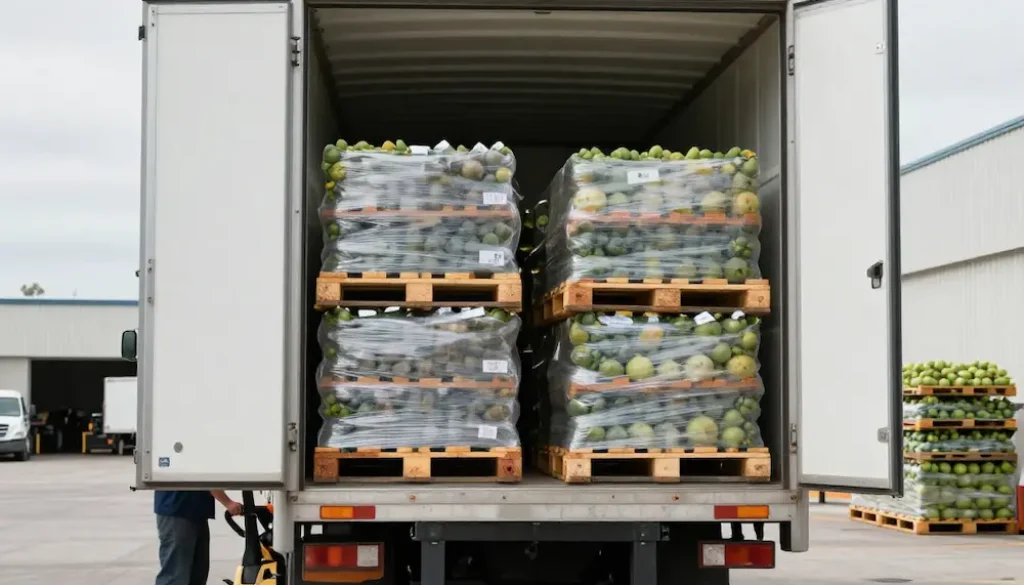
The success of multimodal refrigerated transport depends on temperature control. Produce must be pre cooled correctly before loading. Containers must stay sealed. Temperature monitoring must be active from start to finish.
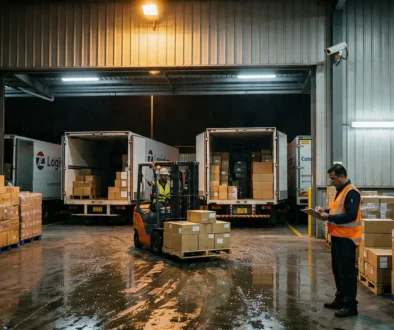
Transfers between transportation modes are the most sensitive moments. If these handoffs are rushed or poorly managed, the risk of temperature spikes increases.
With the right planning and oversight, produce quality can be protected just as effectively as with traditional trucking.