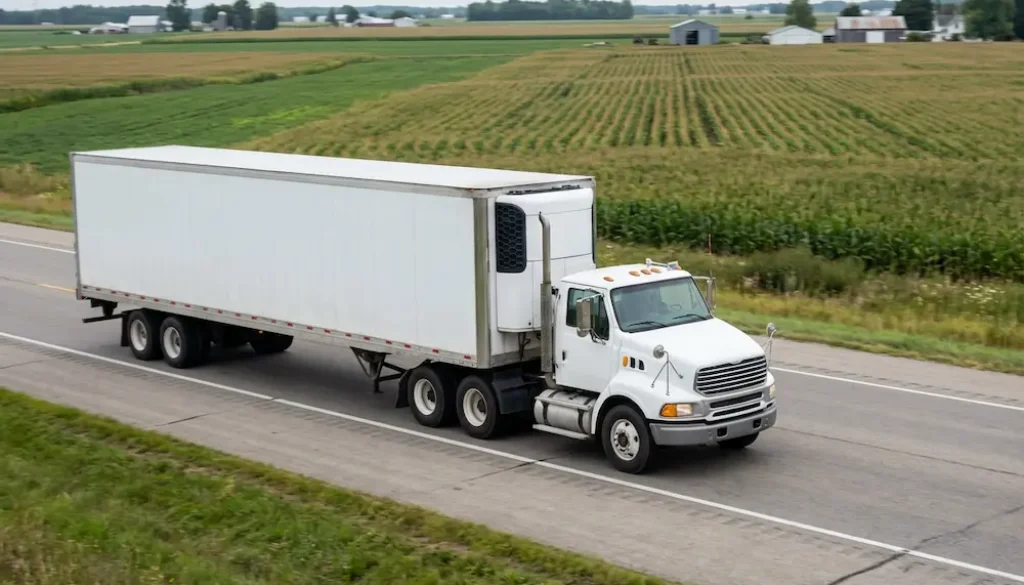
Why Nearshoring and Regional Networks Are Key for Fresh Produce in 2026
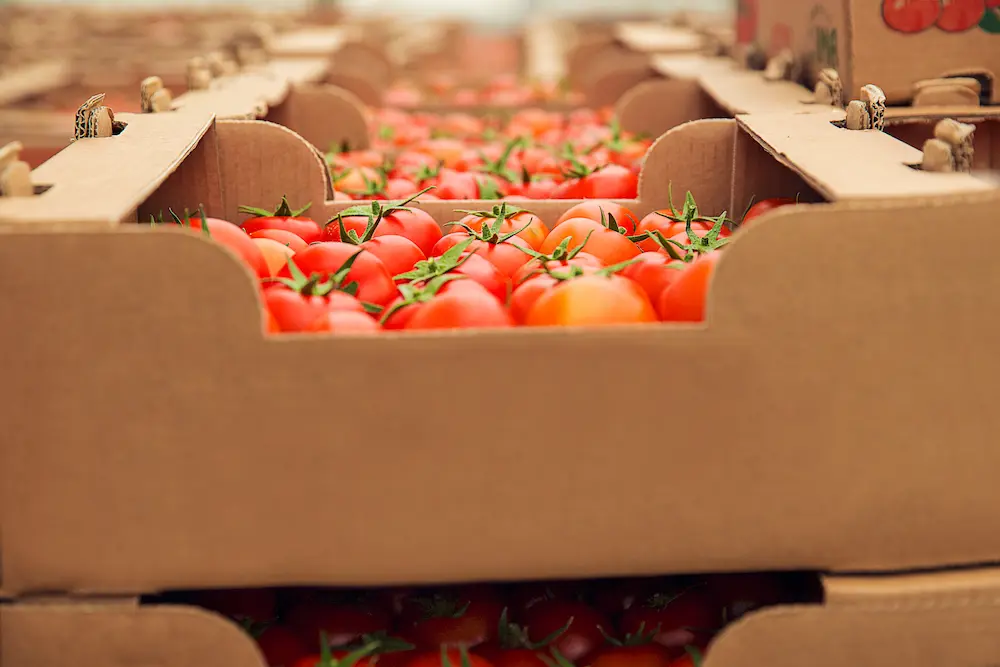
Cost Stability in a Changing Market
Transportation costs continue to fluctuate due to fuel prices, labor challenges, and capacity constraints. Nearshoring can help stabilize costs by reducing fuel consumption and limiting long distance exposure.
Regional routes often provide more predictable pricing and fewer unexpected expenses. This makes budgeting and planning easier for produce shippers.
While nearshoring does not eliminate costs, it helps reduce volatility.
Nearshoring Does Not Replace Long Haul Transport
It is important to note that nearshoring is not a complete replacement for long haul produce transportation. Many commodities still need to move across regions or countries.
The goal is balance. A mix of regional and long distance networks allows shippers to maintain coverage while reducing risk where possible.
Successful produce supply chains use nearshoring as part of a broader strategy.
How Victra Logistics Supports Regional Produce Networks
Victra Logistics works closely with produce shippers to design transportation strategies that balance speed, reliability, and flexibility. With a strong focus on fresh produce, Victra helps coordinate regional transportation networks that reduce transit time and protect product quality.
By working with trusted carriers and planning routes carefully, Victra Logistics supports produce shipments that move efficiently within regional markets while still connecting to larger distribution networks when needed.
As produce supply chains continue to evolve in 2026, having a logistics partner that understands both regional and long distance transportation helps shippers stay competitive and protect freshness.