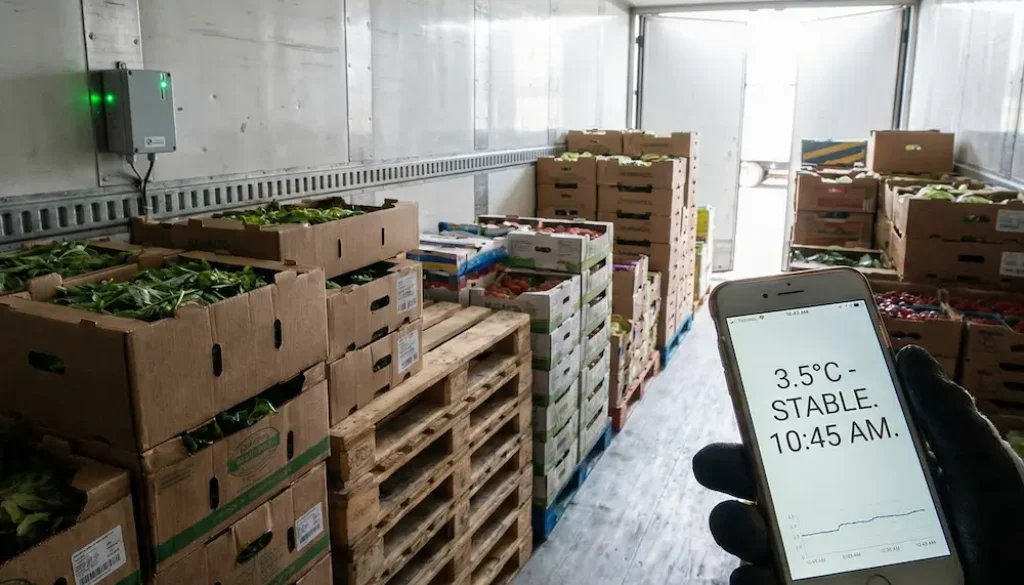
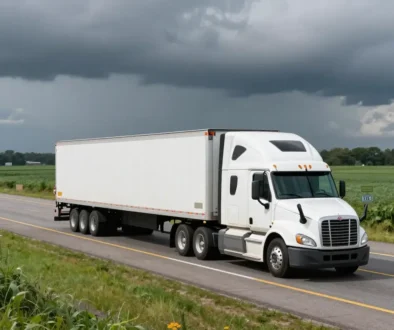
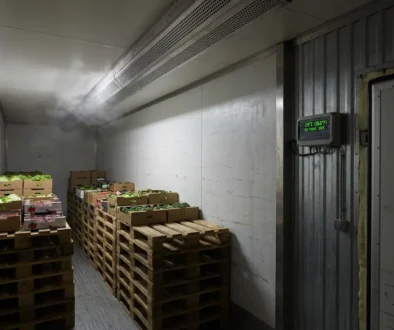
Instead of relying on a temperature reading at pickup and delivery, IoT systems provide continuous data throughout the trip.
For produce shippers, that continuous stream of information changes everything.
Why Traditional Monitoring Is No Longer Enough
In the past, many shipments relied on manual checks or simple temperature recorders that were reviewed after delivery.
The problem with that approach is timing. If a temperature deviation happens mid transit, it may not be discovered until the load arrives. By then, the damage may already be done.
IoT monitoring allows immediate alerts. If temperature rises outside the required range, action can be taken while the shipment is still moving.
That difference between reactive and proactive management reduces risk significantly.
Protecting Freshness and Shelf Life
Produce is highly sensitive to temperature shifts. Even short periods outside the proper range can shorten shelf life or affect quality.
Continuous monitoring helps maintain stable conditions from origin to destination. When conditions remain consistent, produce arrives fresher and lasts longer at retail.
This directly reduces waste and protects margins.
Reducing Claims and Rejected Loads
One of the biggest benefits of IoT monitoring is documentation.
If a receiver questions the condition of a shipment, detailed temperature logs can confirm whether proper handling occurred during transit. Clear records reduce disputes and speed up resolution when issues arise.
In many cases, documented compliance prevents unnecessary claims.
Accountability Across the Supply Chain
IoT monitoring increases transparency between shippers, carriers, and receivers.
When everyone understands that shipment conditions are being recorded continuously, performance standards improve. Clear data creates accountability without relying on assumptions.
This helps build stronger long term partnerships.
Supporting Smarter Decision Making
IoT data is not just about preventing problems. It also supports better planning.
Over time, shipment data can reveal patterns such as:
Routes that create frequent temperature deviations
Transit points where delays occur
Equipment that struggles to maintain stable conditions
With this information, shippers can adjust strategies and improve future performance.
Why IoT Monitoring Is Becoming a Requirement
Retailers and large buyers increasingly expect proof of cold chain compliance. In some cases, documented monitoring is becoming part of vendor requirements.
As food safety standards continue to tighten, the ability to demonstrate consistent temperature control is becoming a competitive advantage.
Shippers who cannot provide reliable monitoring data may face higher scrutiny or lose opportunities.