A produce load rejection is one of the most stressful moments in fresh freight. The truck arrives on time, the temperature log looks fine, but the receiver refuses the load. For shippers, carriers, and brokers, everything changes in that moment. Time starts working against the product, and every decision after that matters.
Most people outside the industry do not realize how fast things move once a load is rejected. There is no pause button. The produce is still perishable, the truck is still burning hours, and the value of the load can drop quickly.
The First Minutes After a Rejection
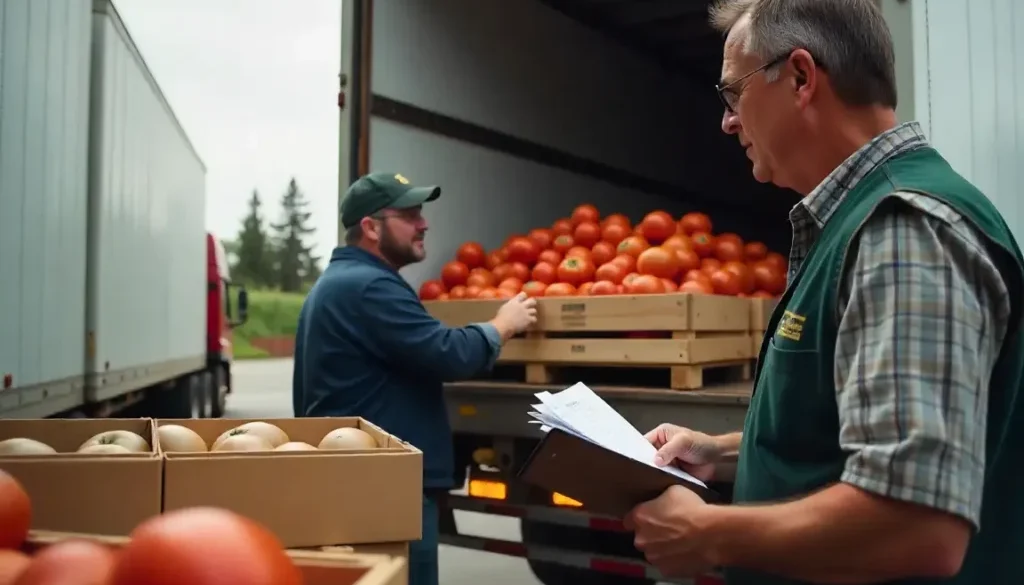
When a load is rejected, the driver usually receives the reason right away. It could be temperature concerns, product condition, paperwork issues, or quality not meeting the buyer’s expectations. Photos are often taken at the dock, and temperature readings are checked again.
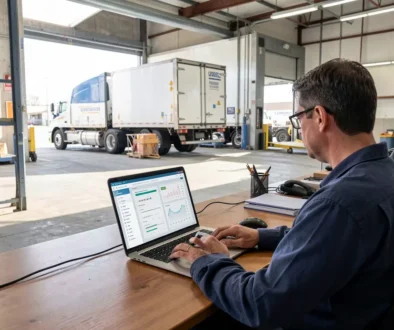
At this stage, communication is critical. The carrier contacts dispatch or the broker immediately. The shipper is notified, and everyone starts looking for the next step. Delays here can turn a manageable situation into a major loss.
Finding a New Plan Fast
Once the rejection is confirmed, the load needs a new destination. Sometimes the produce can be reconsigned to another buyer nearby. Other times, it may need to be sent to a different market, a processing facility, or even a donation center.
Each option depends on product type, remaining shelf life, and distance. A quick decision can save part of the load’s value. Waiting too long often means fewer options and lower returns.
How Rejected Loads Are Handled on the Road
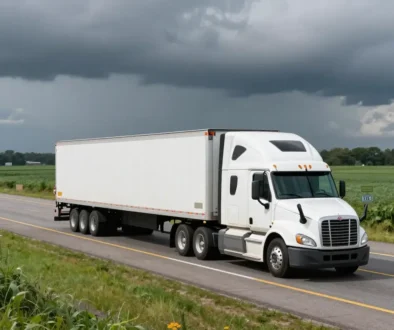
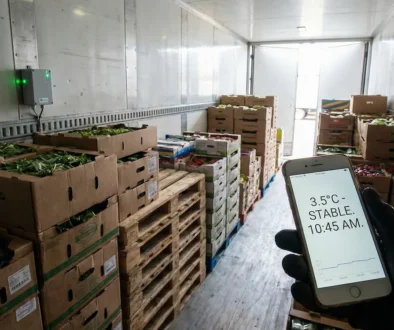
While decisions are being made, the carrier still has responsibility for the product. The reefer must stay at the correct temperature. Fuel levels are monitored closely. Drivers may need to wait at a truck stop or cold storage facility until new instructions arrive.
This waiting time adds cost and pressure. That is why experienced logistics partners plan for these situations before they happen, not after.
The Financial Impact Behind the Scenes
A rejected produce load affects more than just one shipment. There may be claims, inspections, partial payments, or salvage pricing involved. Insurance companies may step in, and paperwork can take weeks to resolve.
For shippers, this can mean lost revenue and strained buyer relationships. For carriers, it can mean unpaid miles and long delays. The ripple effect is real and often underestimated.