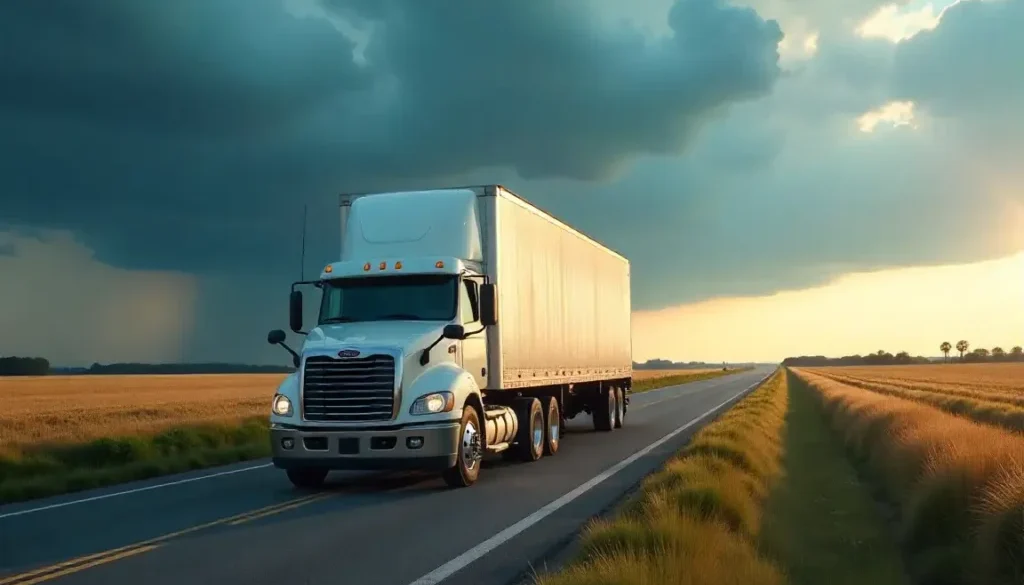
How Weather Impacts Produce Shipments and the Tools That Prevent Delays
The Problems Weather Creates in Produce Logistics
Moving produce is already a race against time. Weather adds another layer of pressure that many shippers underestimate. Even small shifts in temperature or unexpected storms can weaken the shelf life of fruits and vegetables long before they reach the receiver. These are the most common weather related challenges that cause delays, spoilage, and rejected loads.
Heat waves
High outdoor temperatures force refrigeration units to work harder. When heat pushes into the trailer during loading or inspections, it can raise pulp temperatures quickly. Items like berries and leafy greens are especially sensitive and can deteriorate fast once they hit unsafe temperatures.
Winter storms
Snow and ice slow down traffic, close interstates, and extend transit times by hours or even days. Produce that should have arrived at peak freshness may arrive tired or soft if the shipment gets stuck behind a weather closure.
Heavy rain and flooding
Flooded roads often force drivers to wait or choose longer alternate routes. Rain also slows down loading and unloading, and this extra time with doors open can create temperature fluctuations inside the trailer.
Sudden temperature swings
Produce does not handle rapid temperature changes well. Even short periods outside the ideal range can cause breakdowns in texture and appearance. These swings are one of the most common reasons for rejections at the dock.
Wind and wildfire smoke
In many regions, high winds or wildfire smoke temporarily shut down roads. Drivers may have no choice but to park and wait. These delays are unpredictable and can easily shorten the remaining shelf life of delicate produce.
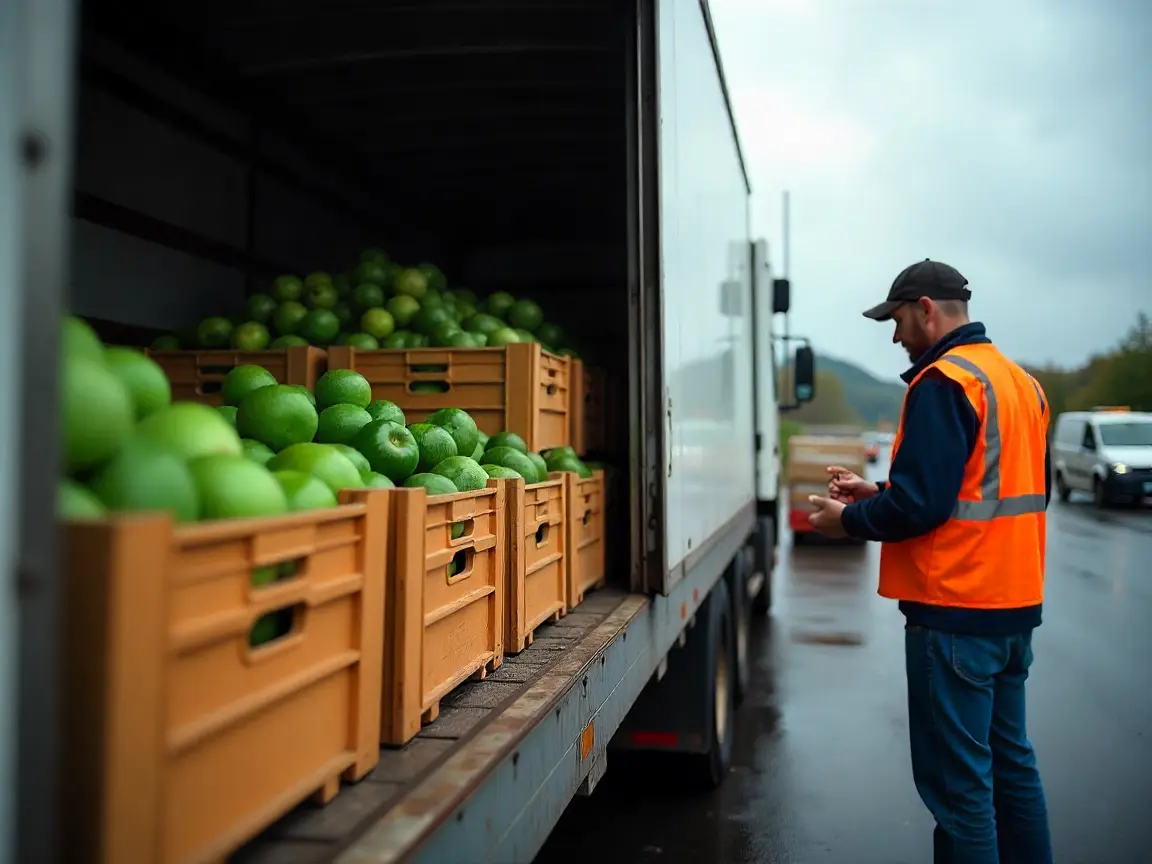
Solutions That Help Prevent Weather Related Delays
Modern tools now give shippers more control over weather risks. Instead of reacting after a problem happens, today’s systems warn teams early so they can make smarter decisions. These are the solutions that help protect produce shipments from weather disruptions.
Real time route monitoring
Live tracking tools compare a truck’s path with current weather conditions. If potential issues show up along the route, the system alerts the team so they can adjust plans early.
Automated weather alerts
Predictive tools track storms, heat waves, and other conditions around the clock. Shippers receive early notifications that allow them to move pickup times, adjust delivery windows, or prepare a safer route.
Temperature risk forecasting
Some systems estimate how outside temperatures may affect a trailer over several hours. This helps planners choose the safest time of day to move sensitive produce and reduces the risk of heat related spoilage.
Alternate route planning
Route optimization software compares different options and identifies which ones are safest based on current traffic and weather data. This helps avoid areas with storms, closures, or flooding.
On board sensors
Trailer sensors report temperature, humidity, and airflow in real time. If weather affects the internal environment, the driver and the shipper receive instant alerts so they can take action long before the product becomes unsellable.
Conclusion: How Victra Logistics Helps Protect Produce From Weather Delays
Weather will always influence produce logistics, but the right preparation makes all the difference. At Victra Logistics, every shipment is monitored with predictive tools that track weather conditions, temperature risks, and route disruptions. Our team communicates directly with drivers and adjusts plans as soon as conditions change. The goal is simple. Keep your produce fresh, protect your shelf life, and deliver your load on schedule.