The Role of Cybersecurity in a Digital Produce Supply Chain
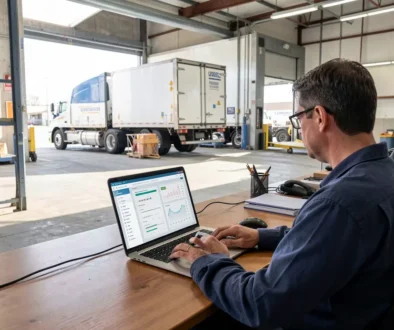
Produce logistics has changed fast. What was once managed through phone calls, paper documents, and manual updates now runs on digital systems. Real time tracking, temperature monitoring, load visibility platforms, and automated documentation are now part of daily operations.
This digital shift has improved efficiency, reduced waste, and increased transparency. At the same time, it has introduced a new risk that many produce shippers still underestimate. Cybersecurity.
In a produce supply chain where timing, temperature, and data accuracy matter, a digital disruption can be just as damaging as a mechanical failure.
Why Produce Logistics Is More Digital Than Ever
Produce shipments rely heavily on speed and precision. Today, most operations use some combination of:
These tools help prevent delays, reduce shrink, and improve communication. But every connected system creates a potential entry point for cyber threats.
As produce supply chains become more connected, protecting the data behind those systems becomes critical.
What Cybersecurity Means in Produce Logistics
Cybersecurity in logistics is not just about protecting computers. It is about protecting the flow of information that keeps shipments moving.
In a digital produce supply chain, cybersecurity covers:
If any of this data is compromised, operations can slow down or stop entirely.
How Cyber Attacks Can Disrupt Produce Shipments
Cyber incidents in logistics are no longer rare. When systems are attacked or locked, the impact is immediate.
For produce, delays are not just inconvenient. They can lead to rejected loads, quality claims, and financial losses.
The Risk of Real Time Visibility Tools
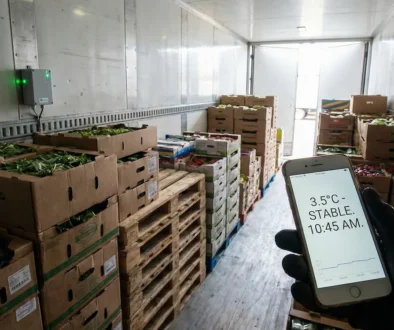
Real time visibility is one of the biggest advantages in modern produce transport. It allows shippers to track loads, monitor conditions, and react quickly.
However, these tools often rely on third party platforms, cloud systems, and connected devices. Each connection increases exposure if not properly secured.
Common risks include:
If one link in the chain is compromised, it can affect everyone connected to that system.
Why Produce Supply Chains Are Attractive Targets
Logistics companies handle valuable data and operate under tight timelines. Attackers know that disruptions can force companies to act quickly, sometimes paying to restore access.
Produce logistics is especially vulnerable because:
This makes strong cybersecurity practices a necessity, not an option.
What Produce Shippers Should Pay Attention To
Produce shippers do not need to be cybersecurity experts, but they should ask the right questions.
Understanding these basics helps reduce risk and protect the supply chain.
Cybersecurity Is Part of Risk Management
Traditionally, produce risk management focused on temperature control, carrier reliability, and transit time. Today, digital risk belongs on that list.
Cybersecurity supports:
How Victra Logistics Helps in a Digital Supply Chain
In a digital produce supply chain, technology only works when it is supported by strong operational discipline and responsible data handling.
Victra Logistics focuses on produce transportation and works within modern logistics systems that support visibility, communication, and coordination across the supply chain. By using structured processes, controlled system access, and reliable carrier partnerships, Victra helps ensure that digital tools support shipments instead of disrupting them.
For produce shippers, working with a logistics partner that understands both transportation execution and the importance of secure, accurate data helps reduce risk while keeping loads moving smoothly.
As produce logistics continues to evolve, cybersecurity awareness is no longer just a tech concern. It is a supply chain priority.