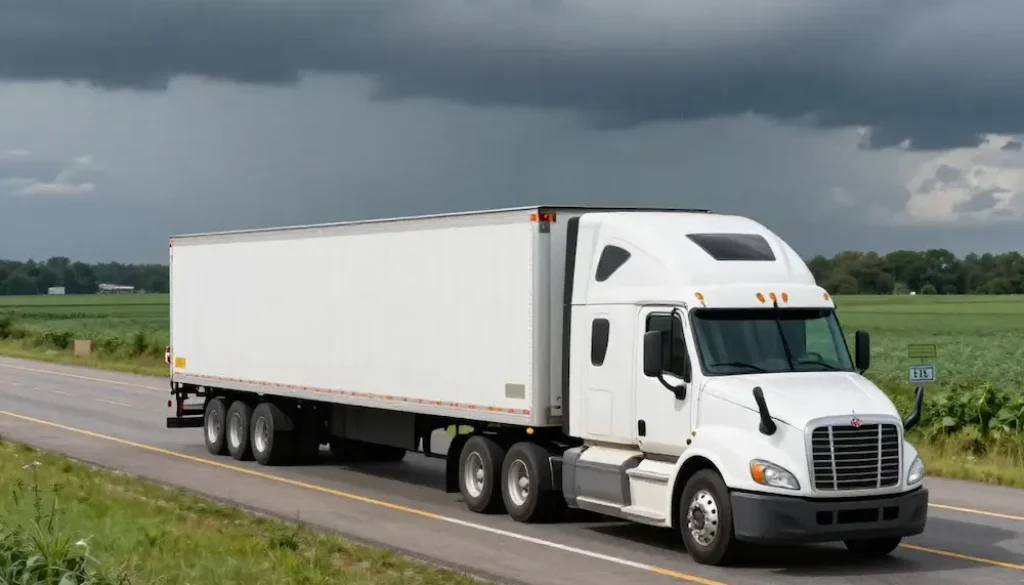
The Impact of Climate Volatility on Produce Freight Planning

Why Flexibility Is Now a Competitive Advantage
In stable conditions, efficiency drives success. In volatile conditions, adaptability becomes more valuable.
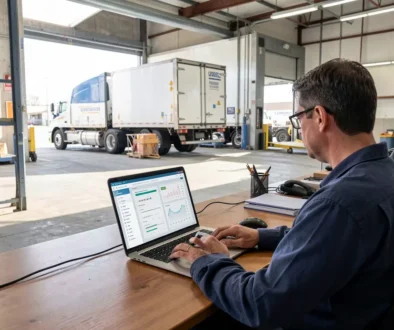
Produce shippers who build flexible routing strategies, maintain diverse carrier relationships, and monitor environmental risks are better positioned to respond quickly when conditions change.
Freight planning in 2026 requires both data awareness and operational discipline. Climate volatility is not a temporary disruption. It is a structural factor that must be integrated into logistics strategy.
Supporting Resilient Produce Transportation
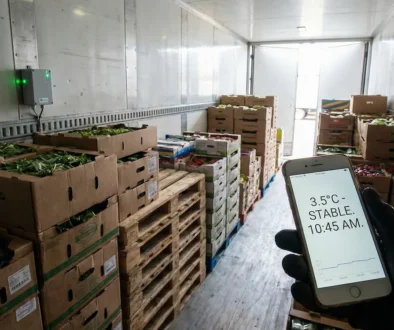
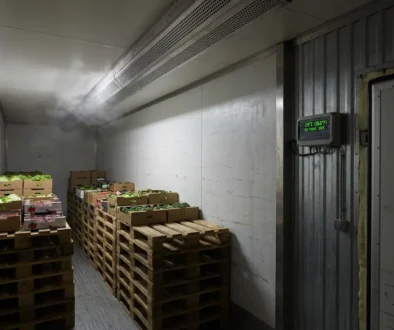
Reliable coordination, careful equipment selection, and proactive communication help protect shipments even during environmental uncertainty. When freight planning accounts for weather risk from the beginning, produce arrives in better condition and supply chain stability improves.
As climate volatility continues to influence agriculture, the most successful produce transportation strategies will be those built on preparation, flexibility, and disciplined execution.
How Victra Logistics Helps Navigate Climate Volatility
Victra Logistics understands that climate volatility has become a real operational factor in produce transportation. From monitoring route risks to coordinating reliable refrigerated capacity, careful planning is essential when environmental conditions are unpredictable.
By maintaining strong carrier relationships, prioritizing equipment reliability, and staying responsive to changing harvest schedules, Victra Logistics supports consistent cold chain performance even during weather disruptions.
When freight planning accounts for environmental risk from the start, shipments move more smoothly and quality is protected. In a market shaped by climate instability, disciplined coordination and proactive communication make a measurable difference.