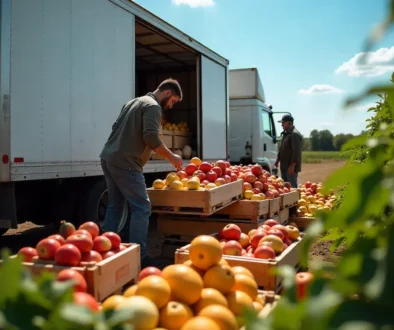
Produce transportation is changing in 2026. It is no longer just about moving fruits and vegetables from one place to another. Grocery buyers, retailers, and regulators now want to know exactly where produce came from, how it was handled, and how long it spent in transit. This growing focus on traceability is reshaping how produce transportation is planned and managed.
Why Traceability Matters More Than Ever
Traceability means being able to track produce from the farm all the way to the store. Buyers want clear records that show when the produce was harvested, loaded, transported, and delivered. This helps them protect food safety, manage recalls faster, and meet new compliance rules. In 2026, this level of detail is becoming an expectation, not a bonus.
Stricter Requirements from Grocery Buyers
Many grocery chains are tightening their acceptance standards. They want accurate shipment data, clear paperwork, and reliable tracking updates. If information is missing or unclear, loads may face delays or closer inspections. Transportation partners now play a bigger role in meeting these expectations by keeping records organized and communication clear.
More Focus on Shipment Visibility
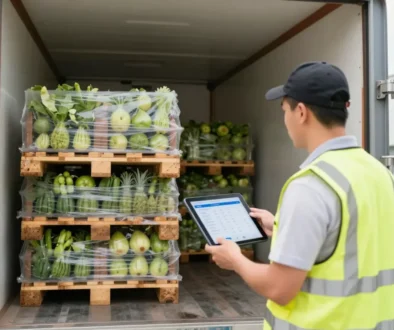
Real time visibility is becoming more important across the produce supply chain. Shippers and buyers want to know where a load is and how it is moving. This helps them plan receiving schedules and respond quickly if something changes. Transportation providers need systems and processes that support consistent updates throughout the trip.
Documentation Is No Longer Optional
Paperwork has always mattered, but in 2026 it carries even more weight. Temperature logs, delivery times, and shipment details are part of traceability records. Missing documents can slow down receiving or create compliance concerns. Keeping accurate records helps loads move smoothly through distribution centers.
How Transportation Planning Is Adapting
To meet traceability standards, planning now starts earlier. Routes, schedules, and carriers are chosen with data accuracy in mind. Communication between all parties needs to be clear from pickup to delivery. Transportation is no longer working in isolation but as part of a connected supply chain.