Produce transportation today looks very different than it did five years ago. While the goal is still the same to move fresh fruits and vegetables safely and on time, the way this is done has changed in many important ways. Shippers, carriers, and buyers have all had to adapt to new expectations, new tools, and new pressures across the supply chain.
Technology is now part of everyday operations
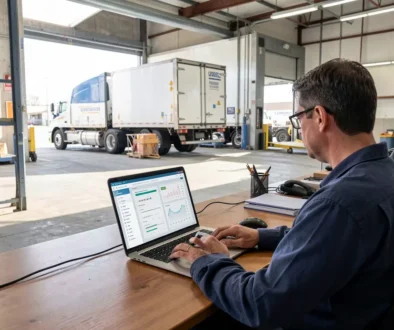
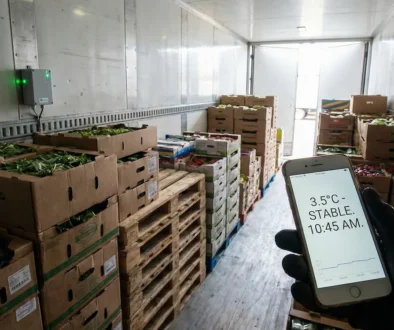
Five years ago, many produce loads were still tracked mainly through phone calls and manual updates. Today, real time tracking and digital tools are much more common. Shippers expect to know where their load is and when it will arrive. Temperature monitoring has also improved, making it easier to spot issues early and protect product quality.
This shift has reduced guesswork and improved accountability across transportation teams.
Higher expectations from grocery buyers
Grocery buyers have become more strict about quality, timing, and documentation. Receiving teams now check temperatures, condition, and paperwork more carefully than before. Even small issues can delay acceptance.
Because of this, transportation planning has become more detailed. Shippers and carriers must work closely to meet tighter delivery windows and higher quality standards.
More focus on visibility and communication
Over the last five years, communication has become just as important as speed. Shippers want updates without having to chase them. Carriers are expected to provide clear and timely information throughout the trip.
This change has helped reduce surprises at delivery and allowed faster decision making when delays or issues happen on the road.
Cost pressure has reshaped planning
Fuel prices, labor costs, and equipment availability have all increased in recent years. These pressures have forced shippers to think carefully about routes, load sizes, and carrier selection. Transportation decisions are now closely tied to pricing and margin protection.
Planning ahead has become more important than ever to avoid last minute costs and capacity problems.