Produce logistics is changing fast in 2026. Moving fruits and vegetables is no longer just about having a truck and a delivery time. Shippers and grocery buyers now expect more visibility, better planning, and faster responses when something goes wrong. This is where AI and real time visibility are starting to make a real difference.
The Need for Better Visibility
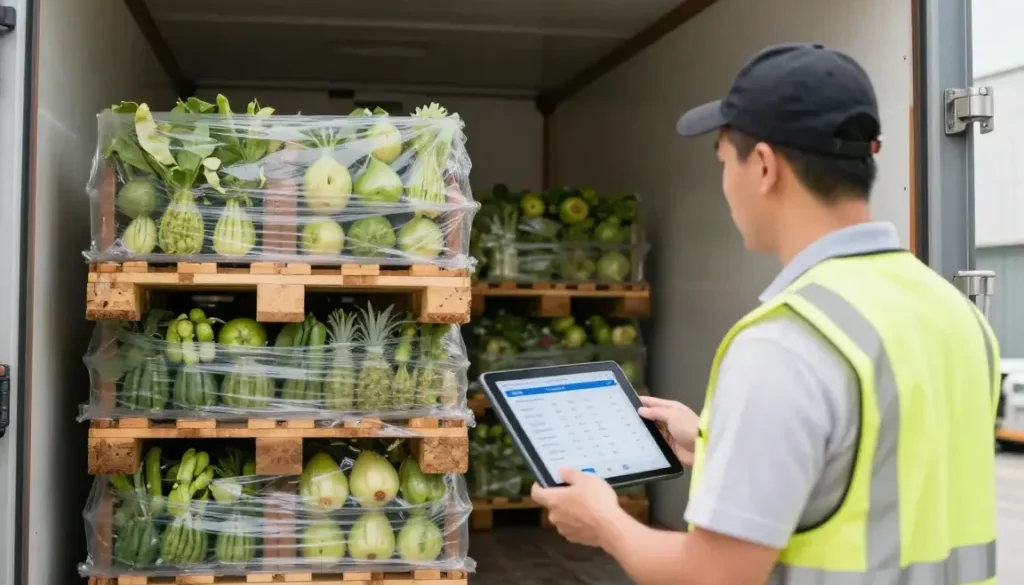
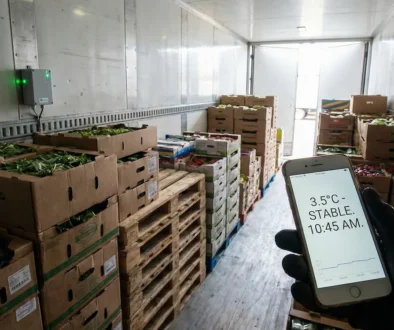
Produce is time sensitive. Once it is harvested, the clock starts ticking. Shippers want to know where their load is, how it is moving, and whether it will arrive on time. Real time visibility allows everyone involved to track a shipment while it is on the road. This helps reduce guesswork and improves confidence across the supply chain.
How AI Is Being Used in Produce Transportation
AI helps make sense of large amounts of data. In produce logistics, this includes traffic patterns, weather conditions, transit times, and delivery schedules. AI systems can suggest better routes, identify potential delays, and help plan shipments more efficiently. Instead of reacting to problems, teams can prepare for them in advance.
Improving Decision Making During Transit
When a delay happens, quick decisions matter. Real time tracking combined with AI tools allows logistics teams to respond faster. If traffic builds up or weather changes, adjustments can be made before quality is affected. This level of insight helps protect freshness and reduce the risk of loss.
Stronger Communication Across the Supply Chain
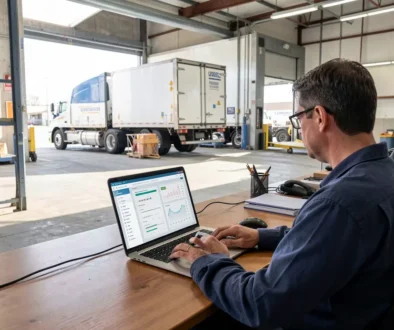
Visibility tools also improve communication. Shippers, drivers, and receivers can stay informed without constant phone calls or emails. Everyone has access to the same information, which reduces confusion and helps deliveries go more smoothly. Clear updates build trust between all parties.
Reducing Waste and Improving Efficiency
Better planning and monitoring help reduce waste. When produce arrives on time and in good condition, there is less spoilage and fewer rejected loads. AI driven insights also help improve efficiency by reducing empty miles and unnecessary delays. Over time, this leads to more consistent results.