A Day in the Life of a Produce Load from Field to Store
Harvesting at the Farm
The day starts early in the fields. Workers pick produce at the right stage so it stays fresh during transport. Timing matters because produce is sensitive to heat, light, and rough handling. As soon as it is picked, its quality starts to decline. This is why farms move quickly. The goal is to get the load out of the field and into the cooler without losing freshness.
Cooling and Sorting
Right after harvesting, the produce is taken to a cooling facility. Cooling brings the field heat down and slows the natural aging process. If this step is skipped or rushed, the load can lose quality before the truck even arrives. After cooling, workers sort the produce based on size and quality. Damaged items are removed so they do not affect the rest of the load.
Loading the Truck
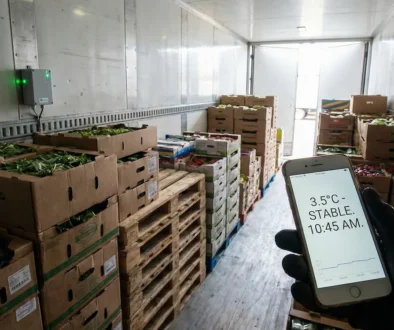
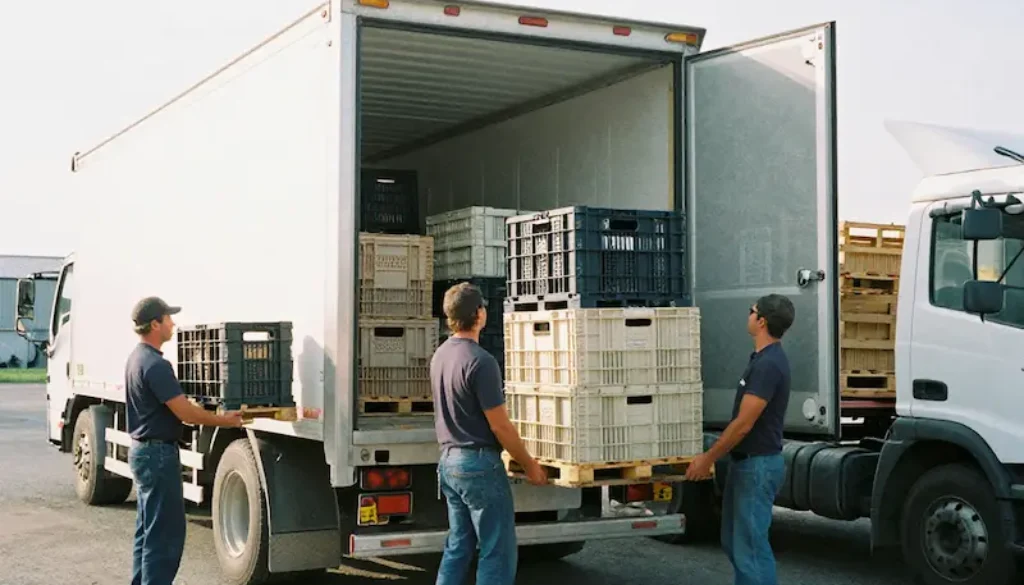
Once sorted, the produce is packed and moved toward the dock. Loading needs to happen fast but carefully. The pallets are arranged so air can flow evenly inside the trailer. Good airflow helps maintain even temperature across the load. The crew checks the pulp temperature before loading. If the produce is too warm, the trailer will have difficulty keeping it stable during the trip.
On the Road
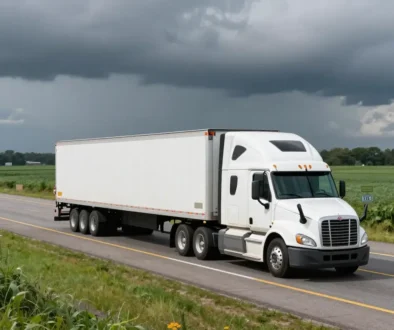
When the truck leaves the farm, the most important part of the journey begins. The temperature inside the trailer must stay steady. Even a small rise can affect the freshness and shelf life of the produce. Drivers monitor their reefer readings and watch for long waits at stops or delays that might warm the trailer. Smooth driving, steady airflow, and proper sealing help protect the load.
Arrival at the Distribution Center
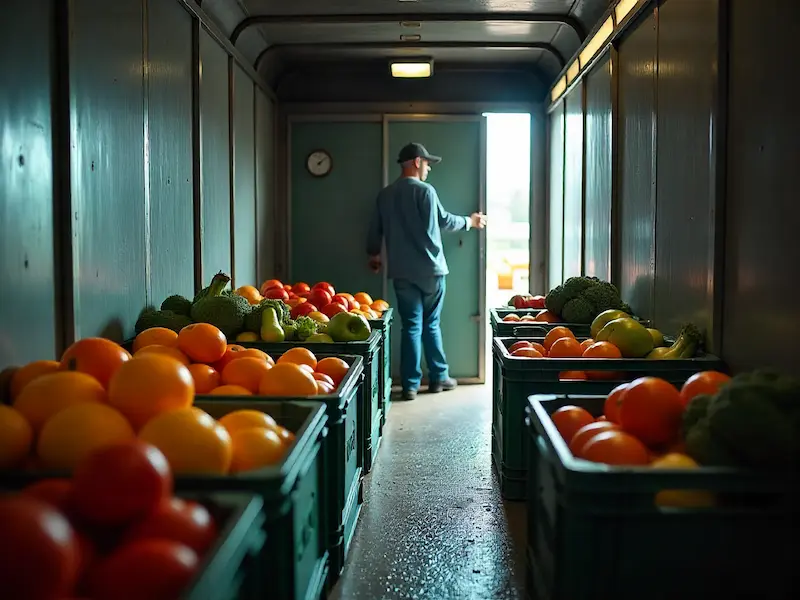
When the truck reaches the distribution center, inspectors check the temperature, condition, and packaging. If everything looks good, the load is unloaded and moved into a cold storage area. From here, the produce is separated and sent to different retail locations. If there is any sign of heat exposure or poor airflow, the center may flag the load for quality issues.
Delivery to the Store
The final step is the delivery to the store. The produce is placed in the store cooler and then moved onto the shelves for customers. At this point, the journey ends. The work put in by farmers, loaders, drivers, and warehouse staff all comes together. What customers see as simple fresh produce is actually the result of careful handling and attention from start to finish.
Why This Journey Matters
Every step of this process affects the final quality of the product. A delay in cooling, a rise in trailer temperature, or poor loading practices can shorten shelf life. Understanding the journey helps highlight the importance of proper handling and steady temperature control. It also shows how much coordination is needed to keep produce fresh for consumers.