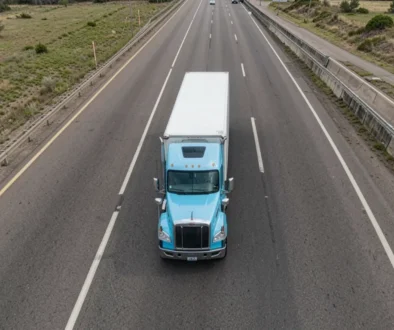
Not all produce shipments travel the same distance. Some loads move a few hours down the road, while others cross multiple states before reaching their destination. Local and long haul produce transportation may seem similar, but they involve very different planning, risks, and requirements. Understanding these differences helps shippers make better decisions and protect product quality.
Distance and Transit Time
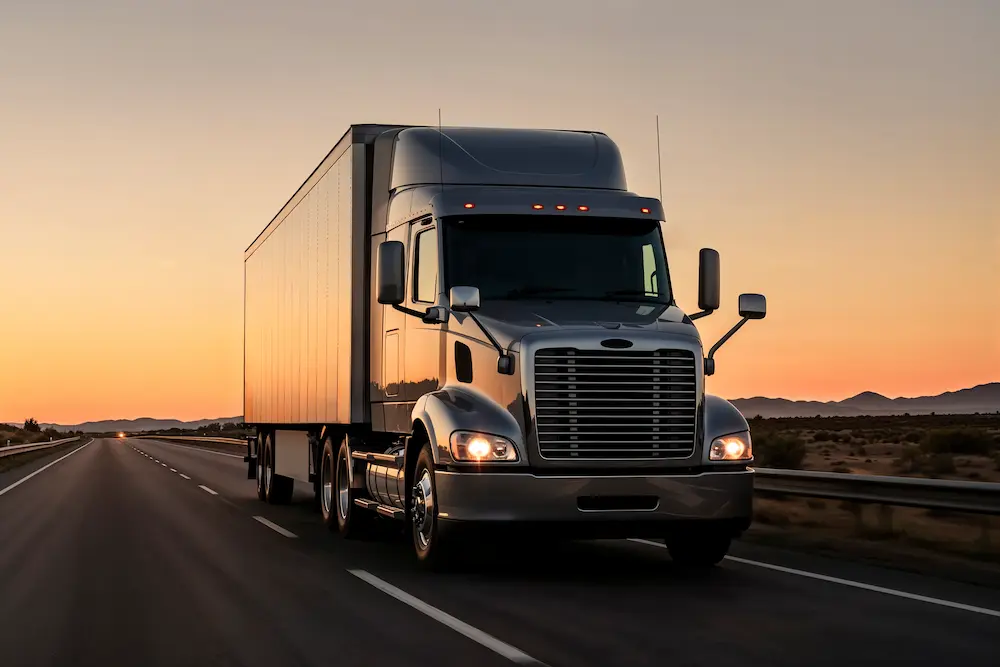
Local produce transportation usually covers short distances, often within the same region or state. These loads move quickly and often arrive the same day. Long haul transportation involves much longer distances and can take several days to complete. The longer a load stays on the road, the more planning is required to protect freshness.
Temperature Management
Short trips make temperature control easier since produce spends less time inside the trailer. With long haul shipments, maintaining a steady temperature becomes critical. Small changes over several days can affect quality and shelf life. Long haul loads require reliable equipment and constant monitoring to avoid issues during transit.
Handling and Loading Practices
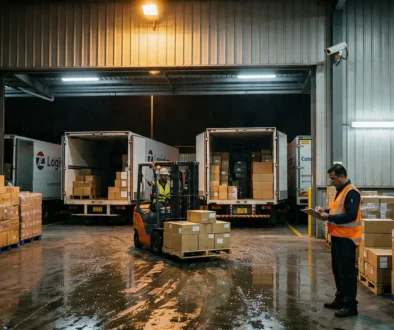
Local shipments may involve fewer handling points. Produce is loaded once and delivered quickly. Long haul shipments often require more careful loading to ensure proper airflow and stability. Pallet placement, weight distribution, and packaging play a bigger role when produce travels longer distances.
Risk of Delays
Local loads face fewer risks related to traffic, weather, or inspections. Long haul transportation increases exposure to delays such as road conditions, border checks, or unexpected stops. Each delay can affect the condition of the produce, making time management more important for long distance shipments.
Cost Considerations
Local transportation usually costs less due to shorter distances and lower fuel usage. Long haul produce transportation comes with higher costs, including fuel, equipment wear, and driver hours. Planning ahead helps manage these costs and secure reliable capacity.
Communication and Tracking
Communication is important for all shipments, but it becomes even more important for long haul loads. Shippers need updates on location, temperature, and delivery timing. Clear communication helps prevent surprises and allows quick action if issues arise.