Produce does not move the same way all year. What is available in one season may not be available in another, and this has a direct impact on transportation planning. Farms, shippers, and carriers all have to adjust based on when certain fruits and vegetables are harvested. Understanding seasonality helps avoid delays, higher costs, and last minute problems.
Harvest Seasons Shape Shipping Volume
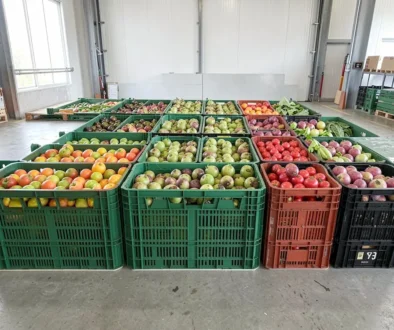
During peak harvest seasons, shipping volume increases quickly. Large amounts of produce need to move in a short period of time. This puts pressure on transportation networks and can make it harder to secure available trucks. When demand rises, planning becomes more important to keep loads moving on schedule.
Different Regions, Different Timelines
Produce is grown in different regions depending on the season. When one area slows down, another region may be starting its harvest. Transportation routes change throughout the year, and planning must adapt to these shifts. Knowing where produce is coming from helps carriers prepare for changes in lane demand.
Capacity Availability Changes
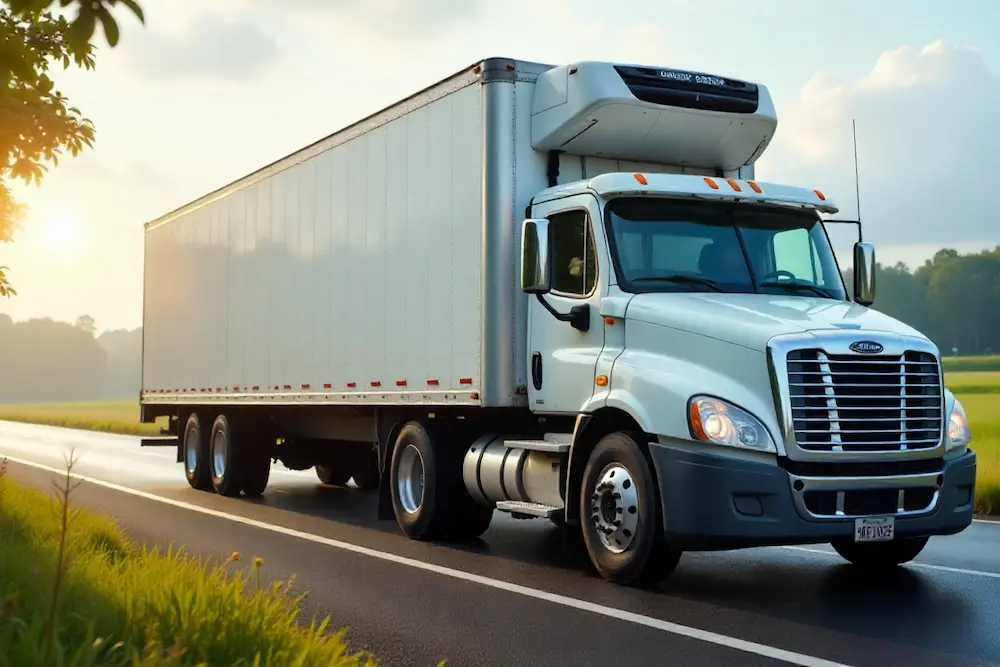
Truck availability often tightens during peak seasons. More loads competing for the same number of trucks can lead to higher rates and longer wait times. Early planning helps shippers lock in capacity before the rush begins. Waiting too long can limit options and create delays.
Temperature Control Becomes Critical
Some seasons bring higher temperatures, while others bring colder conditions. Both can affect produce in transit. Transportation plans need to consider weather patterns and temperature requirements. Proper equipment and monitoring help protect produce during seasonal changes.
Transit Times Can Shift
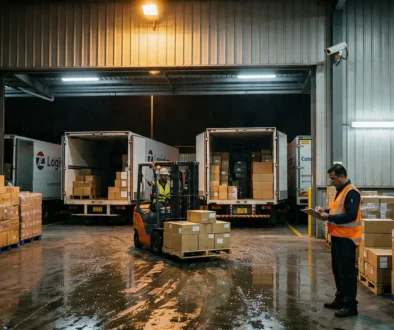
Seasonal demand can affect how long it takes for produce to reach its destination. Congestion at loading docks, longer inspection times, and limited capacity can all extend transit times. Planning for these delays helps protect freshness and shelf life.