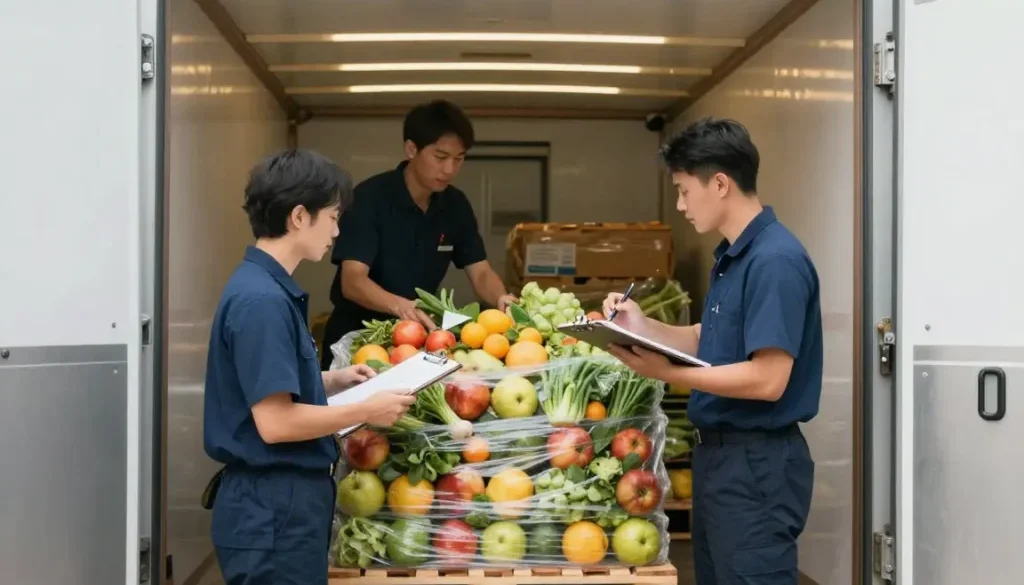
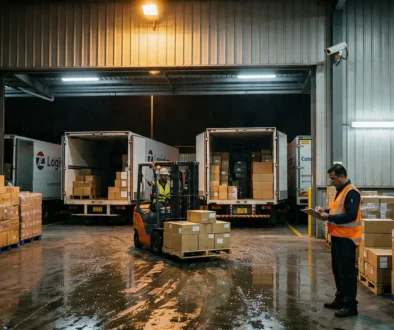
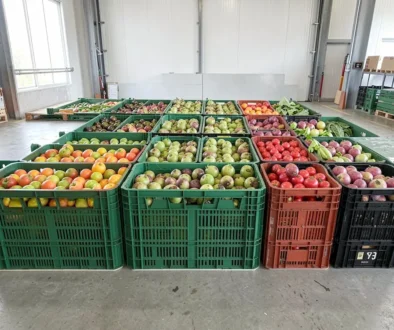
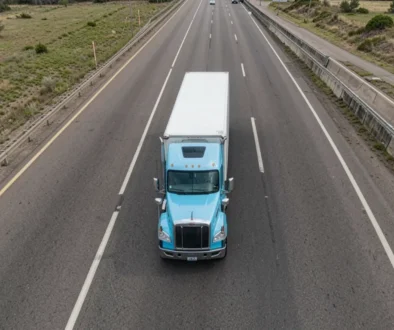
When a produce truck arrives at a grocery distribution center, the work is not done yet. Before the load is accepted, buyers and receiving teams take a close look at several details. Their goal is simple. They want to make sure the produce is fresh, safe, and ready to sell. Understanding what buyers look for can help shippers and carriers avoid delays, rejections, and quality issues.
Condition of the Produce
The first thing buyers notice is the overall condition of the produce. Fruits and vegetables should look fresh and clean with no signs of damage. Bruising, mold, or crushed packaging can raise concerns right away. Even small issues can suggest that the load was not handled carefully during transport.
Temperature at Arrival
Temperature is one of the most important factors during inspection. Buyers often check pulp temperature as soon as the trailer doors open. If the temperature is outside the acceptable range, it can reduce shelf life. A load that arrives too warm may be flagged or rejected, even if the produce looks fine.
Packaging and Labeling
Proper packaging helps protect produce during transit and storage. Buyers check that boxes are sturdy, dry, and stacked correctly. Labels must be clear and accurate, showing the product type, origin, and other required details. Missing or incorrect labels can slow down the receiving process.
Cleanliness of the Trailer
The inside of the trailer matters more than many people realize. Buyers want to see a clean and odor free environment. Any sign of debris, moisture buildup, or strong smells can raise concerns about food safety. A clean trailer shows professionalism and care.
Timing and Freshness
Buyers also consider how long the produce has been in transit. Even if everything else looks good, long delays can shorten shelf life. Loads that arrive on time and within expected transit windows are more likely to be accepted without issues.
Paperwork and Documentation
Accurate paperwork helps the receiving process move smoothly. Buyers check bills of lading, temperature records, and shipment details. Missing or incorrect documents can cause delays and create trust issues. Clear documentation shows that the load was managed properly from start to finish.