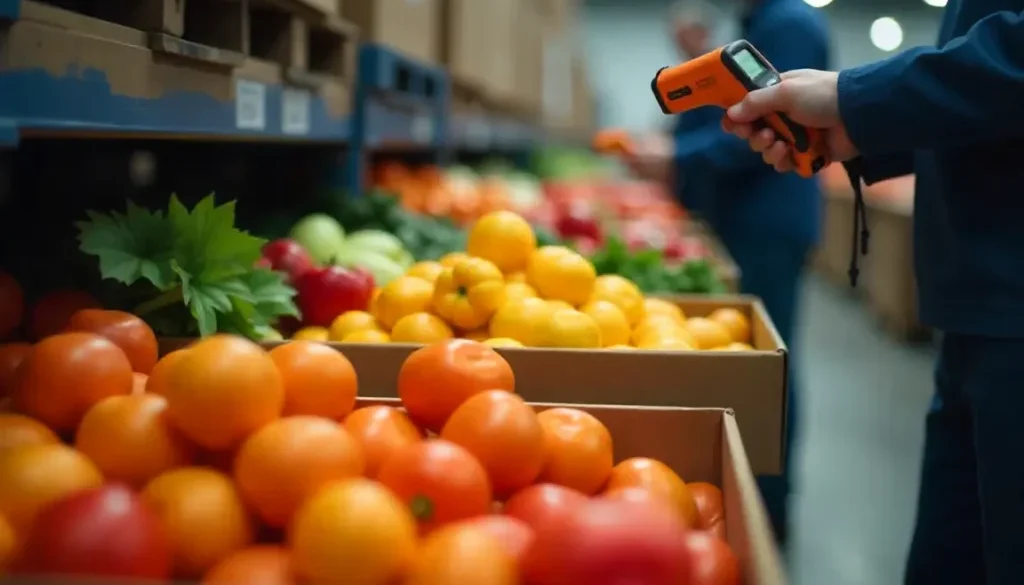
Why Produce Loads Arrive Hot and How to Stop It
Moving fresh produce is stressful when the load shows up warm. One hot shipment can lead to rejection, loss of money, and problems with the buyer. Many companies think the issue is the refrigeration unit, but most of the time the problem starts long before the truck even leaves the dock.
Below is a clear breakdown of why produce arrives hot and what can be done to avoid it every time.
The Real Problem Behind Hot Produce Loads
1. Warm loading at the dock
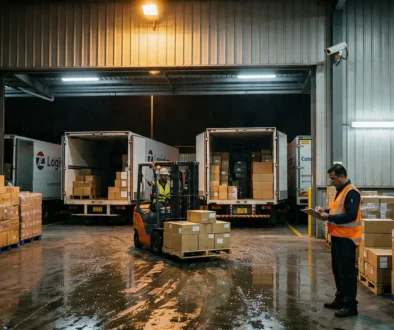
This is the biggest reason produce arrives hot. When pallets sit on the dock for too long, the temperature rises fast. Even a few minutes in the sun or a warm warehouse can take the freshness away. The reefer trailer is not made to cool warm produce. It only keeps the temperature steady. If the load goes in warm, it stays warm.
2. Wrong temperature set on the reefer
Sometimes the reefer is running on the wrong setting. Companies often choose one temperature for all products. Different fruits and vegetables need different ranges. When the temp is wrong, the pulp temperature increases during the trip.
3. Poor air flow inside the trailer
Airflow is the heart of proper cooling. When the pallets block the vents or are pushed against the walls, the cold air cannot move. If the air cannot move, the load stays warm. Stacking too high and covering vent holes also causes hot spots inside the trailer.
4. Reefer unit not pre cooled
A reefer that has not been cooled before loading will warm the produce the moment it goes inside. This is a common mistake during busy loading hours. The trailer should always be cooled to the correct temperature before the first pallet enters.
5. Too many door openings during the trip
Every time the door opens, warm air enters the truck. Some routes involve multiple stops and checks. This increases the chance of temperature rise. If the driver needs to open the door often, the temperature will move away from the required level.
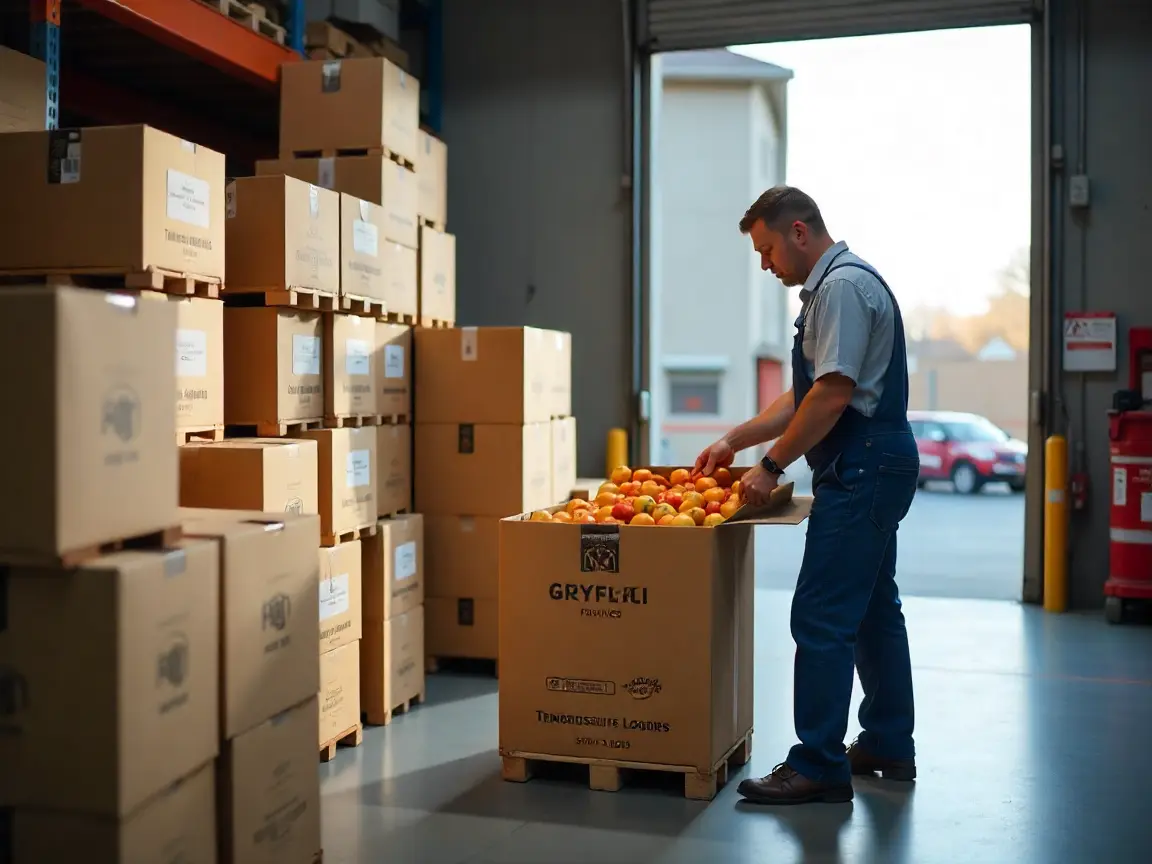
Simple Ways to Stop Produce From Arriving Hot
1. Always pre cool the produce and the trailer
Produce must be loaded at the correct pulp temperature. The trailer must be cooled too. This keeps the temperature steady throughout the trip.
2. Use the correct temperature for each product
Do not guess the temperature. Every product has a safe range. Keeping it accurate stops heating and avoids spoilage during long routes.
3. Make sure the air flows around every pallet
Leave space between pallets. Keep the front and back vents open. Do not block the chute. Make sure nothing covers the walls or the floor channels. Good airflow can prevent hot pockets from forming inside the trailer.
4. Reduce door openings
Plan the route so the driver has fewer stops. When possible, load all items that belong to the last stop first. This avoids repeated openings and keeps the cold air in place.
5. Check the reefer unit before the trip starts
A quick inspection of the fuel level, sensors, and controls can prevent major problems on the road. A simple check avoids mid route failures that lead to hot loads.
Conclusion: How Victra Logistics Helps Keep Produce Cold and Safe
Hot produce loads become expensive very quickly. They lead to losses, arguments at delivery, and rejected shipments. At Victra Logistics, we focus on the small details that keep produce fresh from start to finish. Our team follows strict loading practices, checks airflow, and monitors temperature throughout the trip. We make sure your shipment stays cold, steady, and ready for delivery without surprises.
If you want a logistics partner that understands the real reasons behind hot loads and knows how to prevent them, Victra Logistics is here to help.