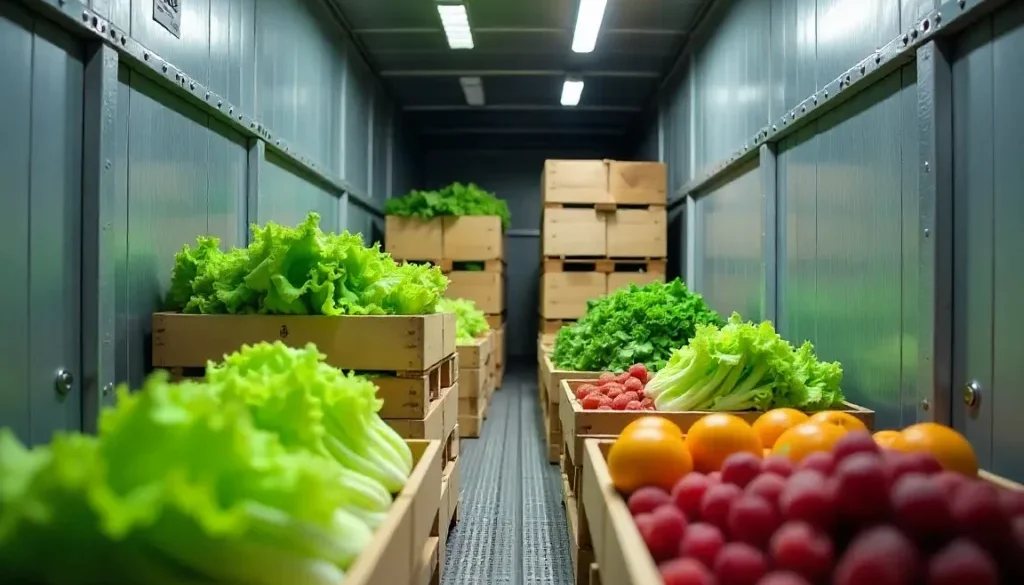
How to Reduce Produce Shrink During Transportation
Fresh produce is one of the hardest things to move without losing quality. Many companies feel the hit when loads arrive with bruising, soft spots, early ripening or even mold. These issues often lead to rejected pallets, price cuts or wasted inventory. In most cases, the reason is not the produce itself but what happens during the trip. Temperature swings, slow loading, poor ventilation and rough handling all add up. Shrink happens quietly and shows up only when the truck doors open. That is why so many companies get this part wrong.
Why Produce Shrink Happens On The Road
Inconsistent temperature control
Even a small change in temperature can damage sensitive fruits and vegetables. When cooling is not stable, produce starts to break down. Warm pockets inside the trailer, long wait times during loading or doors being left open can cause losses that are impossible to fix later.
Weak airflow inside the trailer
If air cannot move around the pallets, the cooling system cannot do its job. Stacked boxes that block vents cause moisture to build up. Once humidity rises, produce starts to sweat and spoil faster.
Loading and stacking mistakes
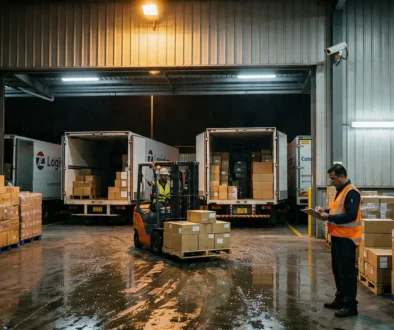
The way pallets are arranged can either protect or damage the cargo. Tight packing, crushed corners, or heavy items placed on lighter ones are common mistakes. Many shippers do not realize how much physical pressure affects freshness during long hauls.
Poor communication between teams
Drivers, warehouse staff and dispatch must work together. When information about temperature needs or special handling instructions gets lost, the load suffers. Most shrink issues come from simple gaps in communication that could have been prevented.
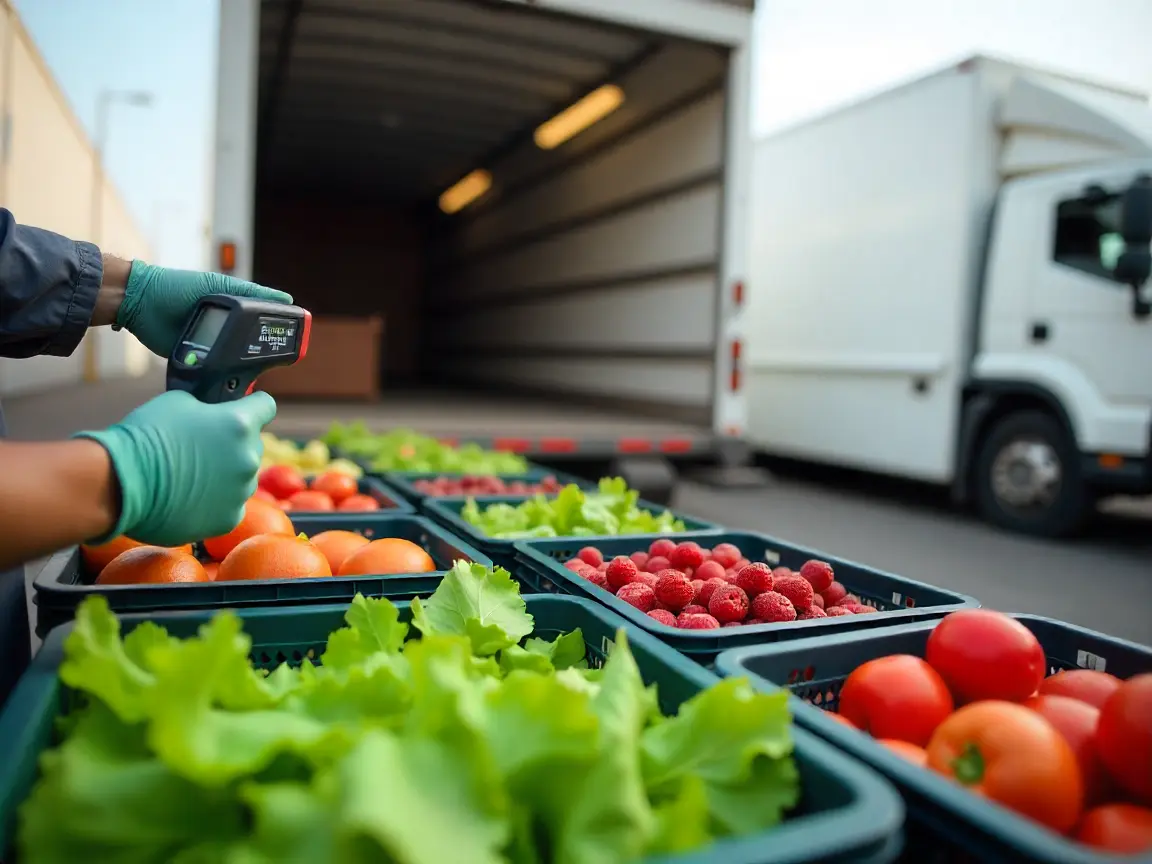
Practical Ways To Reduce Produce Shrink
Pre cool the product and the trailer
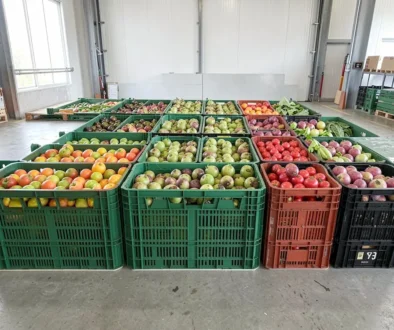
Produce must be cooled before loading. When warm produce enters a cold trailer, it creates condensation and speeds up decay. Pre cooling both sides makes a big difference on long trips.
Use proper pallet spacing for airflow
Leave enough space for air to travel around the load. Do not block return vents. A small gap between pallets allows the cooling system to work evenly and prevents hot spots in the trailer.
Follow a clear loading pattern
Stack boxes straight. Keep heavy items at the bottom. Protect sensitive produce from pressure. When loading follows a consistent pattern, handling damage drops instantly.
Monitor temperature at every stage
Using temperature logs, sensors or real time trackers helps catch issues early. If the cooling fails, you know at the exact moment. This prevents surprises at delivery and reduces rejected loads.
Train the team on produce handling
Simple training helps avoid the most common mistakes. When everyone understands how easy it is to damage fresh produce, handling becomes more careful and quality improves.
Final Thoughts And How Victra Logistics Can Help
Keeping produce fresh during transportation does not need complicated systems. It only needs the right steps and a team that cares about every stage of the trip. At Victra Logistics, we focus on doing these basics the right way. Our team follows strict cooling rules, proper loading patterns and continuous temperature monitoring. Every load is handled with the goal of reducing shrink and delivering produce that arrives in the same condition it left. If your company wants fewer losses and more consistent results, we are here to help you move your produce the right way.